序章. はじめに
1. 不定詞,動名詞,分詞
2. 疑問詞,関係詞,接続詞
3. 助動詞,仮定法過去
4. 完了形,仮定法過去完了
5. 比較表現
 EEvideoトップへ
当サイトの参考書籍を使うとより効率的に学習できます。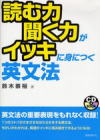 読む力 聞く力がイッキに身につく英文法(CDブック)
1980円(税抜) 「読む」「聞く」ことに目的を絞った実戦的な英文法! 当サイト「動画で学ぶ英文法」に沿った内容で,実用上必要な英文法はこの1冊で十分です。  【新版】10日でマスター!英文法コツのコツ(CDブック)
1800円(税抜) 日本人が間違いやすい表現を,短時間で体系的に学習! 中学~高校1年程度の英文をすらすら書く能力が無理なく身につきます。  英文法コツのコツ
1600円(税抜) まぎらわしい表現を図とイラストですっきり整理! 日本人が間違いやすい表現を学習し,使いこなせればコミュニケーションには十分です。 |
|
I got up early to catch the first train. |
■to+動詞はおもに文末におかれ,目的(~するために)などを表します。
I got up early to catch the first train.
私は早く起きた 始発列車に乗るために
POINT to~は目的のほかに,結果や判断の根拠,感情の原因,条件を表したり,形容詞を修飾します。柔軟に意味をとっていきましょう。
注意 to~が結果を表すときには,意味をとりにくいことがあります。
He turned around to see the moon sinking.
彼は振り向いた (そして)月が沈みかけているのを見た
※to~は前の文を受け「そして~した(する)」という意味になります。
| ■応用力をつける |
|---|
|
① He studied hard to become a doctor.
② He grew up to become a doctor.
③ He is clever enough to become a doctor.
④ She was very sad to lose her only son.
⑤ To hear her speak, you would take※1 her for a young girl.
⑥ Old people are slow to accept new technology.
⑦ This e-mail was sent to let※2 everyone know what's going on. ※1take A for B:AをBと思う ※2let A~:Aに~させる |
① He studied hard to become a doctor.
彼はいっしょうけんめい勉強した 医者になるために
※to~:~するために(目的)
② He grew up to become a doctor.
彼は成長した (そして)医者になった
※to~:そして~した(結果)
③ He is clever enough to become a doctor.
彼はたいへんかしこい 医者になるなんて
※to~:~なんて(判断の根拠)
④ She was very sad to lose her only son.
彼女はとても悲しんだ 一人息子を失って
※to~:~して(感情の原因)
⑤ To hear her speak, you would take her for a young girl.
彼女が話すのを聞けば あなたは思うだろう 彼女を小さな女の子(と)
※to~:~すれば(条件)
※wouldはwillの過去形ですが,過去ではなくひかえめな意味を表しています(Unit30参照)。
⑥ Old people are slow to accept new technology.
老人は遅い
新しいテクノロジーを受け入れるのが
※to~:~するのに・するには(形容詞をうしろから修飾)
⑦ This e-mail was sent to let everyone know what's going on.
このEメールは送られた みなに知らせるために 何が起きているか(を)
※to~:~するために(目的)
|
⑧ What are the raw materials used to make paper?
⑨ Carbon※1 reacts with oxygen※2to form carbon dioxide※3.
⑩ I was thoughtless to think that only one answer exists.
⑪ She is foolish to spend so much money on a trivial※4 thing like that.
⑫ My father was glad to receive a letter from you.
⑬ Some words are hard to define※5 because they have many different uses.
⑭ My aunt is very difficult to get along with.
⑮ Some Japanese don't feel that chopsticks※6are easy to pick up food with※7. ※1炭素 ※2酸素 ※3二酸化炭素 ※4つまらない ※5定義する ※6箸(はし) ※7pick up~with:~をつかむ |
⑧ What are the raw materials used to make paper?
何が原材料ですか?
紙をつくるために使われる
※to~:~するために(目的)
⑨ Carbon reacts with oxygen to form carbon dioxide.
炭素は酸素と反応する そして二酸化炭素をつくる
※to~:そして~する・した(結果)
⑩ I was thoughtless to think that only one answer exists.
私は浅はかだった ~と考えるなんて たった1つの答えだけが存在する(と)
※to~:~なんて(判断の根拠)
⑪ She is foolish to spend so much money on a trivial thing like that.
彼女は愚かだ そんなにお金を使うなんて あんなつまらないことに
※to~:~なんて(判断の根拠)
⑫ My father was glad to receive a letter from you.
私の父は喜んだ 手紙を受け取って あなたから
※to~:~して(感情の原因)
⑬ Some words are hard to define because they have many different uses.
いくらかの単語は難しい 定義するのが なぜならそれらは多くの異なる用法を持つ(ので)
※to~:~するには・するのに(形容詞をうしろから修飾)
⑭ My aunt is very difficult to get along with.
私のおばは難しい 付き合うのが
※to~:~するには・するのに(形容詞をうしろから修飾)
⑮ Some Japanese don't feel that chopsticks are easy to pick up food with.
日本人の中には感じていない人もいる 箸がかんたんだ(とは)
食べ物をつかむのに
※to~:~するには・するのに(形容詞をうしろから修飾)