序章. はじめに
1. 不定詞,動名詞,分詞
2. 疑問詞,関係詞,接続詞
3. 助動詞,仮定法過去
4. 完了形,仮定法過去完了
5. 比較表現
 EEvideoトップへ
当サイトの参考書籍を使うとより効率的に学習できます。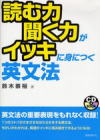 読む力 聞く力がイッキに身につく英文法(CDブック)
1980円(税抜) 「読む」「聞く」ことに目的を絞った実戦的な英文法! 当サイト「動画で学ぶ英文法」に沿った内容で,実用上必要な英文法はこの1冊で十分です。 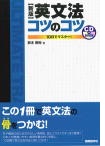 【新版】10日でマスター!英文法コツのコツ(CDブック)
1800円(税抜) 日本人が間違いやすい表現を,短時間で体系的に学習! 中学~高校1年程度の英文をすらすら書く能力が無理なく身につきます。 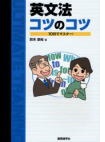 英文法コツのコツ
1600円(税抜) まぎらわしい表現を図とイラストですっきり整理! 日本人が間違いやすい表現を学習し,使いこなせればコミュニケーションには十分です。 |
|
① You must do as you are told. ② He must be over fifty years old. |
おもな助動詞には,義務などを表す一般的な意味のほかに可能性を表す意味があります。どちらの意味になるかは,文脈などから判断しましょう。
例えば,must には「~しなければならない」「~にちがいない」という2つの意味があります。
■mustが「~しなければならない」の意味のとき
① You must do as you are told.
あなたはしなければならない 言われた通りに
■mustが「~にちがいない」の意味のとき
② He must be over fifty years old.
彼は~にちがいない 50歳をこえている
※be動詞がつくときは,よく可能性を表す意味になります。
| ■応用力をつける |
|---|
|
① You mustn't look at the sun directly through a telescope※1.
② She doesn't have to attend the meeting tomorrow.
③ You know her family, so you must know what she is like.
④ Bad domestic environments※2 must have a bad influence on children.
※1望遠鏡 ※2家庭環境 |
① You mustn't look at the sun directly through a telescope.
(あなたは)見てはいけない 太陽を直接に 望遠鏡を通して
※must:~しなければならない(否定形は「~してはならない」)
② She doesn't have to attend the meeting tomorrow.
彼女は出席する必要はない 会議に 明日
※have to~:~しなければならない(否定形は「~する必要はない」)
③ You know her family, so you must know what she is like.
あなたは彼女の家族を知っている そのためあなたは知っているはずだ 彼女がどんな人か
※must:~にちがいない
④ Bad domestic environments must have a bad influence on children.
悪い家庭環境は
与えるはずだ 悪い影響を 子供たちに
※must:~にちがいない
|
⑤ We may borrow up to※1 three books from the library at a time.
⑥ We may call her a genius※2, but we cannot call her faithful※3.
⑦ The times may change, but human nature stays the same.
⑧ Whatever he may say, he won't be believed.
⑨ If you're ill, you should see a doctor.
⑩ You earn a good salary, so you shouldn't be badly off※4.
⑪ She ought to eat more vegetables, but she doesn't.
※1~まで ※2天才 ※3誠実な ※4生活が苦しい |
⑤ We may borrow up to three books from the library at a time.
(私たちは)借りてもよい 3冊までの本を 図書館で
一度に
※may:~してもよい
⑥ We may call her a genius, but we cannot call her faithful.
私たちは呼ぶかもしれない 彼女を天才だと しかし私たちは呼ぶことはできない 彼女を誠実だと
※may:~かもしれない(否定の意味はcannot「~のはずはない」)
⑦ The times may change, but human nature stays the same.
時代は変わるかもしれない しかし 人間の本質は同じだ
※may:~かもしれない
⑧ Whatever he may say, he won't be believed.
何を彼が言おうと 彼は信じてもらえないだろう
※may:~かもしれない
⑨ If you're ill, you should see a doctor.
もしあなたが病気なら あなたは医者にみてもらうべきだ
※should:~すべきだ
⑩ You earn a good salary, so you shouldn't be badly off.
あなたはよい給料を得ている そこで あなたは~のはずがない 生活が苦しい
※should:~のはずだ
⑪ She ought to eat more vegetables, but she doesn't.
彼女は~すべきだ もっと野菜を食べる しかし 彼女はそうしない
※ought to~:~すべきだ
|
■整理 must,may,should,ought to
① 一般的な意味
must: ~しなければならない(have to~も似た意味)
※mustは命令的な強い意味(会話ではあまり使わない),have toは一般的な都合で「しなければならない」の意味。
may: ~してもよい
should・ought to~: ~すべきだ※命令的な感じはなく,会話でもよく使われます。
② 可能性を表すときの意味
must: ~にちがいない(ふつう肯定文でしか使われない)※強い可能性を表す。
may: ~かもしれない※「多分~」くらいの意味。
should・ought to: ~のはずだ※弱い可能性を表します。
(注)shouldはshallの過去形ですが,現在を表すことが多いので,ここでは現在形の助動詞として扱っています。 |